


I still remember the way my phone buzzed on Christmas night — nonstop highlights, stunned group chats, and one name topping every notification: Nikola Jokic. I hadn’t planned to write about a single game, but this one felt different. It wasn’t just another stat line; it was a collision of history, grit and theater. In this post I’ll walk through the game, the milestones, the chaotic overtime, and what this performance means for Jokic and the 2024-2025 season.
Game Recap: Nikola Jokic: Historic 56-Point Triple
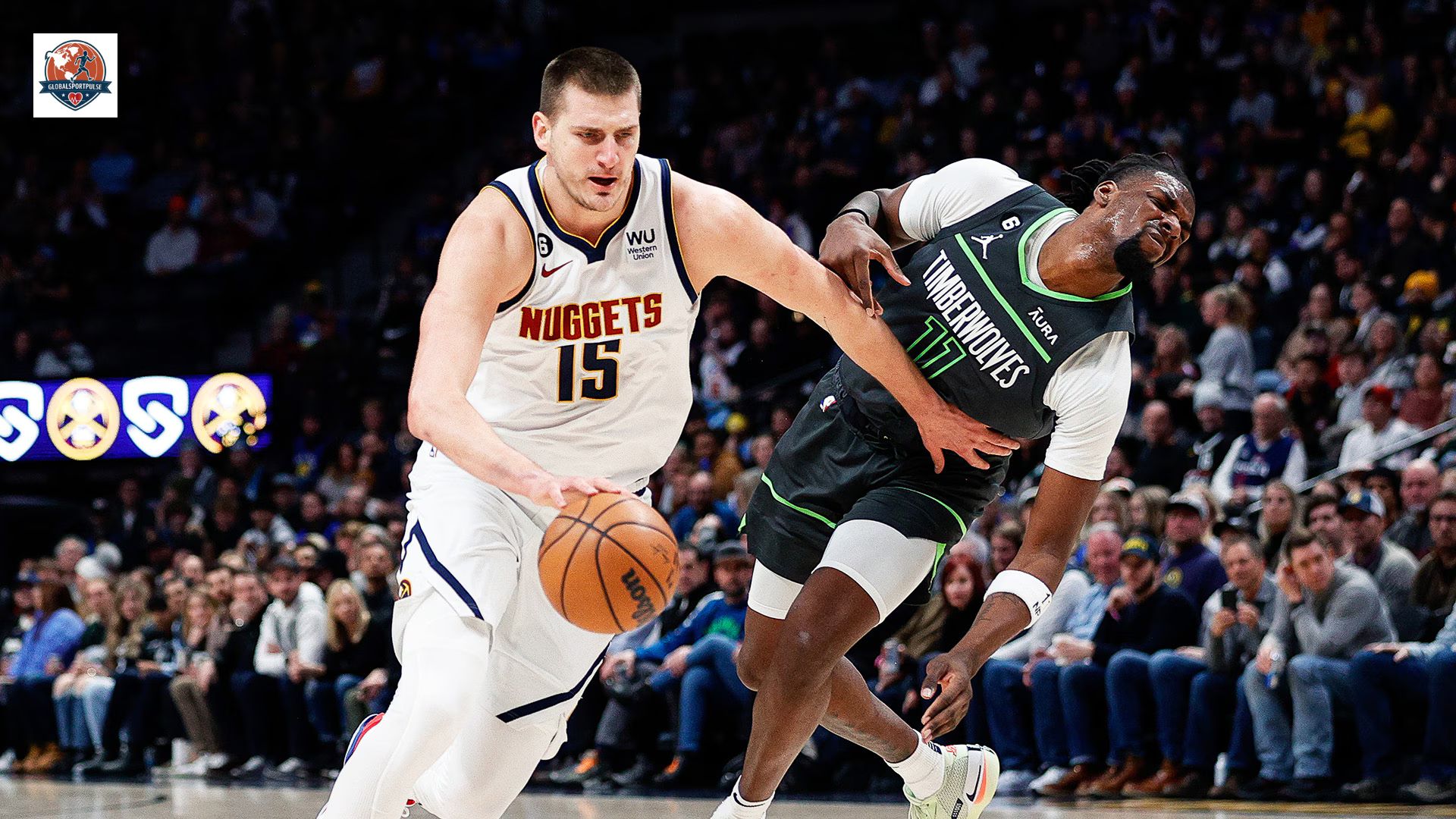
I watched this one turn into a full Christmas classic in Denver, with the Nuggets outlasting the Timberwolves 142-138 in overtime on Dec. 26, 2025. It had everything: a late comeback, a last-second tying shot, an ejection, and then Nikola Jokic putting together an overtime run that felt unreal in real time.
Jokic’s historic line and an overtime record
Jokic finished with 56 points, 16 rebounds, and 15 assists, a triple-double that powered Denver through every swing of the game. The number that stood out most to me was what he did after regulation: 18 points in overtime. That set an NBA record for overtime scoring in any game—regular season or playoffs—breaking Stephen Curry’s 2016 mark of 17.
In the extra period, Jokic was perfect from the field at 3-for-3, including 2-for-2 from three, and he lived at the line with a 10-for-11 showing on free throws. When Denver needed one clean possession after another, he delivered points, reads, and calm.
Murray and Edwards trade big punches
Denver also got a huge night from Jamal Murray, who scored 35 points to keep the offense moving when Minnesota loaded up on Jokic. On the other side, Anthony Edwards was electric with 44 points, and he backed up the confidence he shared before the game.
“I’m gonna have 30 points for sure. I might have 40. But it’s gonna be a night.”
It was. Especially late. Minnesota erased a 15-point deficit in the final 5 1/2 minutes of regulation, and Edwards hit a twisting 3-pointer with 1.1 seconds left to tie it at 115-115.
The overtime swing: fast start, then a turning point
The Wolves opened overtime on a 9-0 run, and for a moment it looked like Denver had let the game slip after the fourth-quarter collapse. But as the Nuggets pushed back, Edwards picked up two technical fouls for arguing foul calls and was ejected in the extra period. Denver still had work to do, and Jokic took over from there.
Denver wins short-handed
What made the win feel even bigger was how thin the Nuggets were. They were missing three starters:
- Cameron Johnson (right knee injury)
- Aaron Gordon (hamstring)
- Christian Braun (ankle)
With Johnson out, Tim Hardaway Jr. started and scored 19 points, helping Denver survive long enough for Jokic’s record-setting overtime to decide it.
Jokic’s Historic Night: Stats, Milestones, and Context
I keep coming back to the raw line because it still looks unreal: 56 points, 16 rebounds, and 15 assists in a 142-138 overtime win over the Timberwolves. That stat combo matters beyond the headline—this was reported as the first 55+ point, 15+ rebound triple-double in NBA history, a clean way to show just how rare this box score is.
The numbers that defined the game
- Final line: 56-16-15
- Overtime takeover: an NBA-record 18 points in OT, breaking Stephen Curry’s 2016 mark of 17 (regular season or playoffs)
- Free throws in OT: 10-for-11 at the line in the extra period
That overtime detail is the separator for me. Jokic didn’t just “finish strong”—he authored the entire extra session. The AP game story noted he went 3-for-3 from the floor in overtime, including 2-for-2 from three, while living at the stripe. When a game turns into a free-throw contest late, making 10 in one overtime is a skill and a statement.
Milestones inside the night
There was also a historic pace element happening in real time. By the third quarter, Jokic had already logged his 179th career triple-double, putting him two shy of Oscar Robertson for second place on the all-time list, per the AP report. Even before the final totals landed, the game was already drifting into milestone territory.
Season and career context (and why totals differ)
On the season, Jokic has been tracked as the NBA leader in triple-doubles in 2024-2025, with 34 cited by StatMuse and other public trackers. That kind of volume helps explain why a single night like this can also shift all-time conversations.
Career totals can look different depending on the database and what’s included (regular season only vs. combined, or differences in historical stat corrections). I’ve seen tallies listed as 196 career triple-doubles (alternate: 182), with 178 regular-season (alternate: 164). The key point is consistency across sources: Jokic is firmly in the inner circle historically, and he’s actively climbing.
Why people are calling it an all-time regular-season game
When you combine a 56-point triple-double, a record-setting overtime, and the pressure of a back-and-forth finish, it’s easy to see why this performance is being discussed among the greatest regular-season individual games ever.
The Overtime That Broke Records
When regulation ended at 115-115, I felt like the game had already delivered enough drama. Anthony Edwards had just hit a twisting 3-pointer with 1.1 seconds left to force overtime, and the building was loud in that “anything can happen” way. But the extra period didn’t just decide the winner—it turned into a record-setting stretch that will follow Nikola Jokic for a long time.
Jokic’s 18 points in OT: a new NBA standard
In overtime, Jokic scored 18 points, which is now the most points ever scored in any NBA overtime, including both the regular season and the playoffs. He passed Stephen Curry’s previous mark of 17 from 2016. It’s hard to overstate how rare that is—overtime is only five minutes, and defenses usually tighten up. Jokic didn’t just survive those minutes; he owned them.
Perfect shooting, plus two huge threes
What stood out to me most was how clean his shot-making looked under pressure. Jokic went 3-for-3 from the floor in overtime, and that included 2-for-2 from three-point range. Those weren’t empty makes, either. They were the kind of shots that stop a run, quiet a crowd, and force the other team to rethink every coverage.
Free throws that showed real composure
Jokic also lived at the line, and he didn’t blink. He went 10-for-11 on free throws in overtime, which is a huge reason Denver was able to climb back even after falling behind. Late-game free throws can feel like the simplest part of basketball, but in a tight overtime, they’re often the difference between a comeback and a collapse.
Edwards’ fast start—and the moment everything shifted
Minnesota didn’t enter overtime hoping. They attacked. Edwards scored seven quick points as the Timberwolves opened the extra period on a 9-0 run. It looked like Denver might be out of answers after blowing a 15-point lead late in regulation.
Then the tone changed. As Denver pushed back, Edwards picked up two technical fouls for arguing calls and was ejected. That moment didn’t erase what he did earlier, but it clearly shifted momentum. The Wolves lost their main engine, and Jokic kept pressing every advantage.
- Record: Jokic’s 18 OT points are the most in NBA history (regular season or playoffs).
- Efficiency: 3-for-3 shooting in OT, including 2-for-2 from deep.
- Control: 10-for-11 at the line in OT.
- Drama: Edwards sparked the OT, then his ejection changed the feel of the game.
Team Dynamics: Injuries, Rotations, and Role Players
I can’t talk about Nikola Jokic’s historic night without pointing out how much the team context shaped it. Denver didn’t walk into this one at full strength. The Nuggets were missing three starters, and that forced the rotation to bend in real time while the game kept getting wilder.
Denver’s missing starters changed everything
Denver had to patch together lineups because of three key absences:
- Cameron Johnson (hyperextended right knee)
- Aaron Gordon (hamstring)
- Christian Braun (ankle)
Johnson’s injury, in particular, stood out because it happened Tuesday night in Dallas, so the adjustment window was short. With that many regular pieces out, the Nuggets needed scoring and stability from players who normally slide into smaller roles.
Tim Hardaway Jr. steps into the starting group
With Johnson sidelined, Tim Hardaway Jr. moved into the starting lineup and gave Denver a needed lift, finishing with 19 points. I saw his role as simple but important: keep the floor spaced, take open shots without hesitation, and survive the defensive matchups long enough for Denver’s offense to stay organized around Jokic.
Jamal Murray carries a bigger scoring share
Even with Jokic doing Jokic things, Jamal Murray’s 35 points mattered because Denver couldn’t rely on its usual balance. When you remove Gordon and Braun—two players who help connect lineups on both ends—shot creation becomes more concentrated. Murray helped shoulder that load, especially during the stretches when Minnesota’s pressure started to speed the game up.
Minnesota leans hard on Anthony Edwards
On the other side, Minnesota leaned heavily on Anthony Edwards, who poured in 44 points and nearly dragged the Timberwolves all the way back after they were down 15 late. His confidence was loud even before tipoff:
“I’m gonna have 30 points for sure. I might have 40. But it’s gonna be a night.”
It was—until overtime, when he was ejected after picking up two technical fouls while arguing calls. That moment didn’t erase what he did, but it did change Minnesota’s options late.
Rotations tightened, then shifted again under pressure
As the fourth quarter swung and overtime opened with Minnesota’s 9-0 burst, both coaches had to adjust on the fly. Bench and role player minutes fluctuated as matchups changed and fatigue set in. For Denver, the big takeaway I had was that their depth got stress-tested—and even with three starters out, the supporting cast did enough for Jokic and Murray to finish the job.
Anthony Edwards & Wolves Perspective
From a Minnesota Timberwolves point of view, this game was a mix of belief, burst, and frustration—and it all centered on Anthony Edwards. He finished with 44 points, and for long stretches he looked like the best athlete on the floor, even on a night when Nikola Jokic was making history.
Edwards backed up his own pregame call
What made Edwards’ performance feel even louder was that he basically called it ahead of time. In the leadup, he told ESPN:
“I’m gonna have 30 points for sure. I might have 40. But it’s gonna be a night.”
He didn’t just reach that range—he lived in it. That kind of confidence is part of his brand, and when he’s scoring in bunches, it gives the Wolves a clear identity: push pace, attack, and let Edwards set the tone.
The late regulation comeback was real
What I’ll remember most from regulation is how close Minnesota came to stealing the game. The Wolves erased a 15-point deficit in the final 5 1/2 minutes, and Edwards was the engine. The signature moment was his twisting 3-pointer with 1.1 seconds left that tied it at 115-115 and forced overtime. It was the kind of shot that changes the mood in an arena instantly—one second Denver is escaping, the next Minnesota is alive.
Overtime started like a Wolves takeover
Edwards carried that momentum right into the extra period. He scored seven quick points as Minnesota opened overtime on a 9-0 run. In that window, it felt like the Wolves had flipped the script: they had the energy, the aggression, and the closer who wanted the ball.
- 44 points total for Edwards
- Game-tying 3 at 1.1 seconds in regulation
- Seven quick OT points to spark a 9-0 start
The ejection changed everything
Then came the turning point: Edwards picked up two technical fouls for arguing foul calls and was ejected in overtime. No matter how anyone feels about the whistles, losing your star in the extra session is a brutal way to watch a comeback attempt end. Minnesota didn’t just lose points—they lost leadership, shot creation, and the emotional edge Edwards brings.
A reputation moment: superstar fire vs. discipline
To me, this game can be read two ways for Edwards. On one hand, it’s proof he can deliver on a big stage and nearly drag a team back from the edge. On the other, the ejection adds to the ongoing discipline narrative that follows young stars who play with heat. If Edwards wants these nights to end with wins, the next step is keeping that same fire while staying available for the final possessions.
Historical Implications & NBA Leaders Context
Why this night belongs in the “all-time regular-season” talk
When I look at Nikola Jokic’s 56-point triple-double against Minnesota, it immediately lands in the same conversation as the greatest single-game regular-season performances. The raw line (56 points, 16 rebounds, 15 assists) is rare on its own, but the context makes it louder: he also set an NBA record with 18 points in overtime, passing Stephen Curry’s 17 from 2016, and the AP report notes that mark now stands as the most overtime points in regular season or playoffs.
That overtime detail matters historically because it shows how the production held up when the game tightened, not just during a hot stretch in regulation. In a sport where “big game” claims get thrown around, this one has a clean, measurable hook.
Triple-double history: Jokic closing in on Oscar Robertson
The AP story also placed Jokic’s career triple-double count at 179 by the third quarter, noting he was two shy of Oscar Robertson for second place on the NBA’s all-time list at that moment. That’s the kind of milestone that changes how a player is discussed: not as a current star, but as a permanent name on the league’s historical leaderboards.
- Career context: Jokic is operating in the “all-time totals” space, not just yearly rankings.
- Game-to-game pressure: Every new triple-double now moves him toward a fixed, famous target (Robertson).
2024-25 leaders and the Giannis/LeBron comparison cycle
On the season side, Jokic is also being tracked as the league’s most frequent triple-double producer. Per common public trackers, he leads the 2024-25 triple-double race with 34. That’s why media conversations keep circling back to comparisons with Giannis Antetokounmpo and LeBron James—not because their styles match, but because the leaderboard framing invites it.
A note for historians: stat feeds don’t always match
One thing I always flag when writing about records: different stat feeds can show slightly different totals. Sites like StatMuse, team PR trackers, and official NBA records usually align, but small discrepancies can appear due to timing, corrections, or how milestones are labeled. For historians, it’s worth noting which source is being cited when career totals are discussed.
MVP narrative impact
Games like this don’t just win one night—they can reshape award language. A 56-point triple-double with a record-setting overtime burst is the kind of performance voters remember when MVP debates tighten, especially when it arrives in a high-attention window and directly boosts Denver’s results despite missing starters.
Wild Cards: Analogies, What-Ifs, and Tangents
Analogy: one long, loud concerto movement
Jokic’s 56-point triple-double didn’t feel like a normal “hot shooting” night. It felt like a single concerto movement—composed, dominant, and impossible to ignore. Even when the game got messy (Denver coughing up a 15-point lead late), his control never really changed. The stat line—56 points, 16 rebounds, 15 assists—reads like a full score, not a box score. And the overtime part was the crescendo: 18 points in OT, an NBA record that passed Stephen Curry’s 17 from 2016.
What-if: Edwards stays in, and we get a true duel
I keep replaying the same fork in the road: what if Anthony Edwards hadn’t been ejected after picking up two technicals in overtime? He had already backed up his pregame talk—
“I’m gonna have 30 points for sure. I might have 40. But it’s gonna be a night.”
He finished with 44 and hit that twisting 3 with 1.1 seconds left to tie it at 115. In my head, the alternate ending is simple: Edwards and Jokic trading clutch plays like it’s a playoff game in December—Edwards attacking downhill, Jokic answering with those calm, heavy-footed buckets and free throws (he went 10-for-11 at the line in OT).
Personal tangent: my living room turned into a debate show
I watched the fourth quarter with family, and we argued through the entire comeback and overtime about one question: was this a top-5 regular-season game we’ve seen? One side said “no, it’s just December.” The other side (me) said the calendar doesn’t matter when you get a blown lead, a miracle tying shot, an ejection, and then an overtime record on top of a 56-point triple-double.
Stat-nerd aside: triple-double counts spark late-night arguments
One funny side plot: career triple-double totals can turn into forum wars because trackers don’t always match. I’ve seen people cite numbers like 196 versus 182, while the AP note in this game said Jokic reached his 179th by the third quarter. It’s the kind of detail that sends stat people into spreadsheets at 1 a.m.
Creative thought experiment + pop-culture fallout
Imagine a season where Jokic averages a triple-double and drops 40 every Christmas. The MVP talk would turn into a holiday tradition, like an annual award show. And culturally, this Wolves-Nuggets OT will live online: memes about “18 points in five minutes,” highlight mixes of the two OT threes, and a dozen thinkpieces about Denver winning while missing three starters.
.jpg "Nikola Jokic: Historic 56-Point Triple")
Conclusion: Why This Matters — For Jokic, the Nuggets, and the League
I’ll remember this one as more than a wild Christmas-night finish. Nikola Jokic’s 56-point triple-double didn’t just win a game in overtime—it pushed him deeper into the conversation about all-time single-game regular-season excellence. When a player sets an NBA record for overtime scoring and still finishes with elite rebounding and playmaking, it becomes the kind of performance people cite years later when debating peak dominance.
The headline number in the history books is clear: Jokic scored 18 points in overtime, breaking Stephen Curry’s previous record of 17 from 2016, and the AP noted it stands as the most overtime points by any player in the regular season or the playoffs. Add in 16 rebounds and 15 assists, and this becomes a rare “everything game”—a night where the box score matches the eye test. It also matters that he did it after Denver blew a 15-point lead late, then fell behind again in OT before responding.
For the Nuggets, I think the win says as much about resilience as it does about star power. Denver was missing three starters, including Cameron Johnson after a right-knee injury in Dallas, plus Aaron Gordon and Christian Braun. Yet they still found enough support—Jamal Murray’s 35 points and Tim Hardaway Jr.’s 19—to survive a Minnesota surge and close a 142-138 overtime win. That kind of depth and calm under pressure is what good teams lean on when the schedule tightens and injuries hit.
For Minnesota, Anthony Edwards gave them both hope and a warning sign in the same night. His 44 points and that twisting 3-pointer with 1.1 seconds left to tie the game showed he can take over big moments, just like he predicted. But his ejection in overtime for arguing foul calls is the cautionary part—because in a game this close, losing your best player in the extra period changes everything.
Looking ahead, I expect this game to carry momentum into the weekend: the Nuggets head to Orlando, and the Timberwolves host the Nets. Longer term, the milestones—Jokic’s overtime record, the sheer scale of a 55+ point triple-double, and his climb up the career triple-double list—will keep showing up in MVP talk, award debates, and every “best game of the season” argument from now until spring.
TL;DR: Nikola Jokic scored 56 points with 16 rebounds and 15 assists on Dec 26, 2025, setting an OT scoring record (18 points), delivering a rare 55+ point and 15+ rebound triple-double and pushing his 2024-25 triple-double lead to 34.
