

.jpg "Celtics Rally: 20 Threes Beat Pacers (Dec 26)")
Celtics Rally: 20 Threes Beat Pacers (Dec 26)
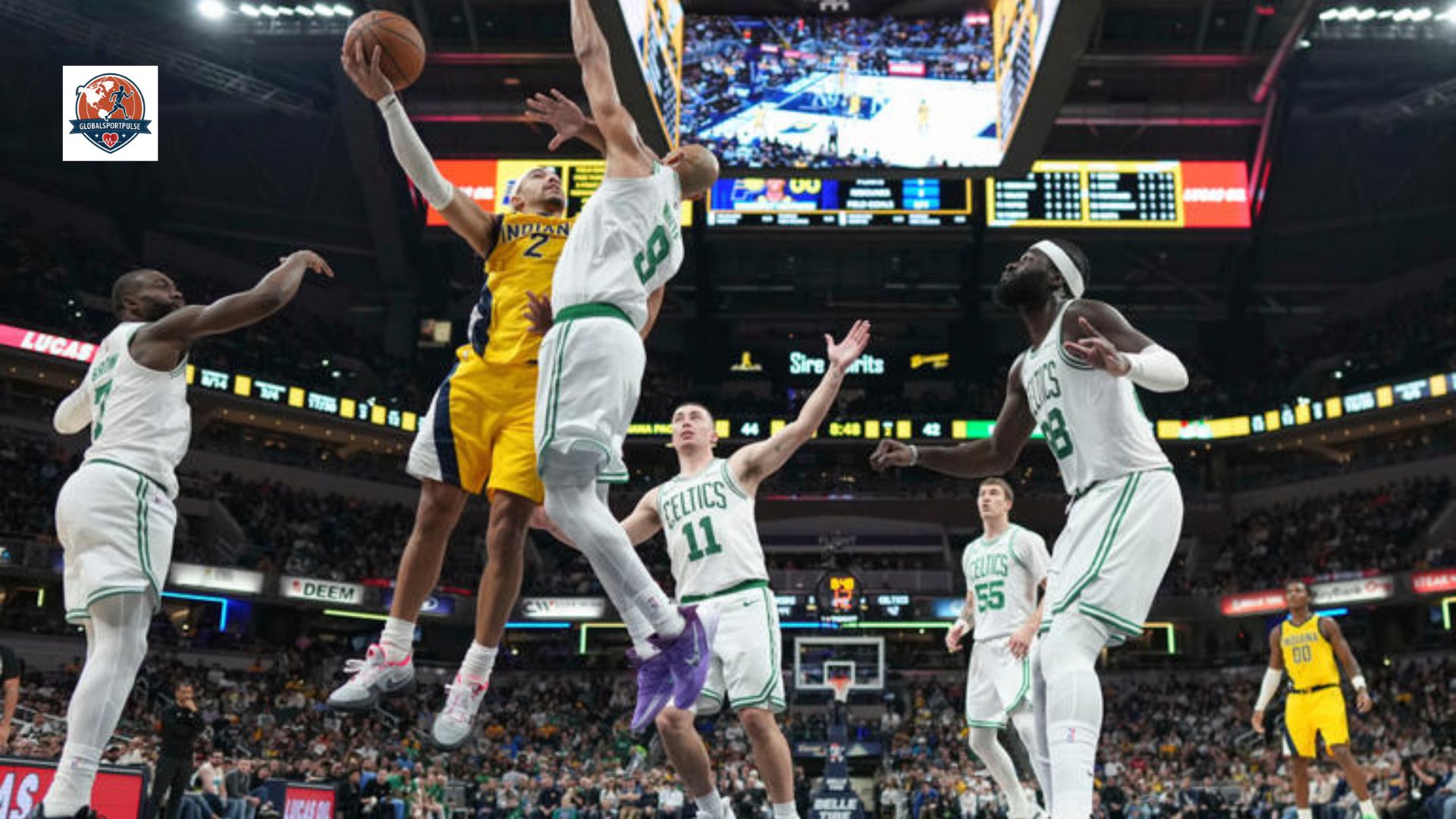
I watched this one with a mix of disbelief and glee — Boston raining triples like it was summer league. As someone who tracks games partly for fantasy lineups and partly for sheer curiosity, the Celtics’ 20 three-pointers and Jaylen Brown’s 30-point night stood out. In this post I’ll walk through the pacers vs boston celtics match player stats, timeline highlights, and what it means going forward.
Game snapshot & turning points — Celtics vs Pacers
In this celtics vs pacers matchup on December 26, 2025, I watched Boston turn a shaky start into a loud statement: Boston Celtics 140, Indiana Pacers 122. It was a high-scoring game with real swings, and the pace felt closer to a track meet than a defensive chess match—fast breaks, quick threes, and possessions that ended in seconds.
Quick game snapshot (Pacers vs Celtics)
| Item | Result |
|---|---|
| Final score | Celtics 140, Pacers 122 |
| Boston record | 19-11 (four straight wins) |
| Indiana record | 6-25 |
| Key swing | Celtics scored 47 in the 2nd quarter |
| Pacers 1Q points | 39 (season-high) |
Early hole: Pacers hit first in the Pacers vs Boston Celtics timeline
Indiana set the tone early, and Boston looked a step slow at the start. The Pacers poured in 39 points in the first quarter (their season-high), and the Celtics trailed by 15 midway through the 1st. In that stretch, the Pacers’ energy showed up in transition chances and quick-trigger threes, forcing Boston to play catch-up right away.
Second-quarter explosion: the game flips
The turning point came fast in the second. Boston’s offense finally matched the speed of the game, and the outside shooting started to feel inevitable. The Celtics dropped 47 points in Q2, with a key run that included six 3-pointers. That burst didn’t just erase the deficit—it created separation, sending Boston into halftime up 75-61.
Joe Mazzulla: “We trusted the looks and kept pushing — the second quarter was decisive for us.”
To me, this is where the high pace favored the Boston Celtics. When the game sped up, Boston’s spacing and shot volume from deep became a weapon instead of a risk.
Fourth-quarter control: Boston closes the road win
After halftime, the Celtics kept the pressure on and didn’t let the Pacers’ quick scoring turn into a real comeback. By the fourth quarter, Boston had built the lead as high as 25 points and managed the final minutes like a veteran team starting a long trip. It also mattered in the bigger NBA picture: this win pushed Boston to 19-11, gave them back-to-back wins over Indiana, and added momentum heading into the rest of their five-game road swing.
- Next game: Celtics at Portland (Sunday)
- Next game: Pacers at Miami (Saturday)
Player performances & box-score breakdown Celtics Rally: 20 Threes Beat Pacers (Dec 26)
When I scan the pacers vs boston celtics match player stats, the story is clear: Boston’s shot-making came in waves, and the depth scoring turned a shaky start into a 140-122 win. The Celtics hit 20 threes on 39 attempts, and that three-point volume simply overwhelmed Indiana’s 18-for-44 night from deep. In these Celtics vs pacers stats, efficiency from the top options and a bench flamethrower shifted the game’s win probability fast—especially during the 47-point second quarter.
Jaylen Brown: efficient 30 and steady two-way impact
Jaylen Brown led all scorers with 30 points on 13-of-20 shooting, continuing a stretch where he was averaging 29.4 PPG. I liked how his scoring didn’t feel forced—he took what Indiana gave him, then punished late closeouts. He also filled in the margins with playmaking and pressure defense (estimated 4 steals), helping Boston speed up Indiana’s decision-making once the Celtics started raining threes.
Jaylen Brown: “When the shots were there, we kept firing — everyone contributed tonight.”
Payton Pritchard: 29 points, 9 boards, and pace control
One of the biggest Player Stats surprises was Payton Pritchard: 29 points on 10-of-17 from the field, plus 3-of-8 from three. What stood out to me was the rebounding—9 rebounds from a guard helped Boston extend possessions and keep Indiana from running after misses. That extra possession control mattered in a game where both teams were launching from deep.
Sam Hauser: bench scoring that broke the game open
Boston’s depth scoring was the separator, and Sam Hauser was the headline: 23 points with a surgical 7-for-8 from three. Those makes weren’t just “nice to have”—they forced Indiana to guard higher and wider, opening driving lanes and quick swing-swing threes. This is the kind of bench burst that flips momentum without needing a timeout.
Brad Stevens: “The balance from starters and role players made the difference.”
Pacers spotlight: Andrew Nembhard produced, but couldn’t slow the run
For Indiana, Andrew Nembhard led with 18 points, 8 assists, and four threes. I thought he created decent looks, but the Pacers lacked supporting defense once Boston found rhythm. Indiana’s early punch (up 15 in the first) faded as the Celtics’ three-point volume kept stacking points faster than the Pacers could trade back.
| Team | Player | Key line |
|---|---|---|
| Celtics | Jaylen Brown | 30 PTS, 13-20 FG, (est.) 4 STL, 4 AST, 3 REB |
| Celtics | Payton Pritchard | 29 PTS, 10-17 FG, 3-8 3P, 9 REB |
| Celtics | Sam Hauser | 23 PTS, 7-8 3P |
| Celtics | Derrick White | 21 PTS, 3 3P |
| Pacers | Andrew Nembhard | 18 PTS, 8 AST, 4 3P |
Three-pointers, shooting splits and what the numbers tell us — Celtics vs Pacers stats
When I look back at this game, the clearest story in the Celtics vs pacers stats is the three-point math. Boston didn’t just win the arc battle—they won it with both volume and accuracy, and that’s a rare combo in a pro game. The Celtics finished 20-for-39 from deep (51.3%), while Indiana hit 18-for-44 (40.9%). The Pacers actually took more threes, but Boston’s Shooting Percentage turned similar shot selection into a big scoreboard gap.
Three Pointers: same idea, different results
Both teams leaned into modern spacing—quick decisions, kick-outs, and catch-and-shoot looks. High three-point attempts usually signal a faster pace and higher scores, and the final (140-122) fits that pattern. But efficiency from deep was the primary driver of the win: Boston’s 51.3% on 39 attempts is the kind of night that breaks normal expectations.
Analytics specialist Dean Oliver: “A 50% three-point clip on 39 attempts is the kind of outlier that flips expected win probabilities.”
| Team | 3PT | 3PT% |
|---|---|---|
| Boston Celtics | 20-39 | 51.3% |
| Indiana Pacers | 18-44 | 40.9% |
Sam Hauser’s 7-for-8 swing: the outlier that changed the game
The biggest single-game outlier was Sam Hauser going 7-for-8 from three. That’s the kind of heater that doesn’t just add points—it lifts the entire team’s percentages and forces defensive overreactions. If you followed Celtics vs pacers live, you could feel how each Hauser make stretched Indiana’s coverage a little wider, opening cleaner driving lanes and easier secondary kick-outs.
The sealing stretch: elite shot quality and quick scoring
There was also a key stretch where Boston shot 10/13 from the field and 4/5 from three. That’s not just “making tough shots”—it usually means the offense is generating clean looks through ball movement and advantage creation. Add in the way turnover/steal-run sequences can create fast breaks, and you get points in bunches without needing half-court hero shots.
What the splits suggest about strategy and sustainability
- High-volume threes point to a clear plan: spacing, catch-and-shoot chances, and quick ball movement.
- Indiana’s early intensity helped them jump out in the first quarter, but defensive lapses couldn’t be sustained once Boston found rhythm.
- Boston’s sustained three-point success across multiple quarters is hard to replicate—this was a hot-night phenomenon, but it’s also why the margin grew so fast.
Pacers vs. Celtics timeline — play-by-play narrative
For anyone who didn’t catch the Full Game, I tracked the momentum swings in this pacers vs boston celtics timeline so the flow is easy to picture, almost like quick Game Highlights in text form. This matchup had clear phases: Indiana’s early burst, Boston’s second-quarter avalanche, and a controlled finish.
1Q: Pacers punch first and build a 15-point cushion
Indiana came out with aggressive offense and real ball pressure, and it showed right away. Midway through the first quarter, the Pacers had pushed the lead to 15 points, forcing Boston to play from behind. The Celtics looked like they were still settling in, while the Pacers attacked early in the shot clock and kept the pace high.
Late 1Q: Pacers hit a season-high 39 points, Celtics scramble
Even as Boston tried to adjust its defense, Indiana kept scoring. By the end of the quarter, the Pacers had posted a season-high 39 points in the opening frame. In my notes for this boston celtics vs pacers timeline, this is the first big turning point: Boston didn’t panic, but it clearly needed cleaner rotations and better closeouts to slow the perimeter looks.
2Q: The six-three barrage flips the game before halftime
The middle of the second quarter is the key stretch. Boston started to methodically chip away, then the game swung hard when the Celtics drilled six 3-pointers in a burst. That shooting wave changed everything—spacing opened up, drives became easier, and Indiana’s early energy didn’t translate into stops.
Boston’s bench also mattered here. Sam Hauser (7-for-8 from deep, 23 points) came in and immediately altered the rotation math—Indiana couldn’t hide a defender, and Boston kept finding the extra pass. The Celtics exploded for 47 points in the second quarter and went into halftime up 75-61, a lead that ended up being decisive.
3Q: Boston keeps the pressure on from deep
Coming out of the break, Boston stayed committed to the same formula: quick decisions and confident perimeter shooting. With Jaylen Brown (30 points) and Payton Pritchard (29 points, nine rebounds) steadying the offense, the Celtics kept Indiana from regaining the early rhythm.
Early 4Q: Lead balloons to +25, clock management takes over
In the early fourth, Boston stretched the margin to its largest lead at +25. From there, it became a control game—smart possessions, fewer risks, and enough shot-making to answer any small Pacers push. Indiana’s hot start couldn’t be sustained, even with Andrew Nembhard leading them with 18 points and four 3s.
Andrew Nembhard: “We started fast, but they made more plays when it mattered most.”
| Timeline marker | What happened |
|---|---|
| Mid-1Q | Pacers lead by 15 |
| End of 1Q | Pacers score 39 |
| Halftime | Celtics lead 75-61 |
| 4Q peak | Celtics lead reaches +25 |
What this result means — standings, momentum, and next steps
NBA Standings impact: Celtics Win keeps Boston in the mix
This Celtics Win moves Boston to 19-11, and it matters in the NBA Standings because every December road win helps when playoff seeding tightens later. I see this one as more than a hot shooting night: Boston trailed early, then controlled the game with pace, spacing, and a huge second quarter. That kind of response is what top Eastern Conference teams show, and it reinforces the idea that Boston belongs near the top of the East.
The timing is also key. Boston is starting a five-game Road Trip, and sustaining tempo away from home is hard. Winning the opener of a long trip can set the tone, especially when the offense travels as well as it did here (20 threes on 39 attempts).
Momentum check: depth and shot-making are real advantages
What stood out to me was the balance. Jaylen Brown (30) and Payton Pritchard (29) carried the scoring, but Sam Hauser’s 7-for-8 from deep and Derrick White’s steady 21 show why Boston can survive different game scripts. When the bench swings a game like this, it can influence short-term rotation choices and even how coaches handle matchups on the rest of the trip.
Brad Stevens: “This kind of balance — starters and bench combining — is what you want midseason.”
- Shooting reliability: Boston matched Indiana’s volume but beat their efficiency from three.
- Comeback ability: Down 15 early, they didn’t panic and flipped the game before halftime.
- Roster flexibility: Hot nights from role players can earn more minutes in the next few games.
Pacers Loss reality: 6-25 and searching for stability
The Pacers Loss drops Indiana to 6-25, and it feels like they’re inching toward a longer skid because the same issues keep showing up. I thought their youth and inexperience were clear after the halftime swing—once Boston’s threes started falling, Indiana didn’t have a consistent counter. Andrew Nembhard led with 18, but the bigger need is team-wide defense and more dependable secondary scoring.
From an organizational view, this is where tweaks matter: lineup combinations, defensive priorities, and clearer late-clock roles. Without those fixes, the slide can become the season’s story.
Next steps and Celtics vs pacers prediction context
Boston visits Portland on Sunday, a different stylistic test that will show whether the offense stays sharp on the road. Indiana goes to Miami on Saturday, where discipline and half-court execution are demanded. For my Celtics vs pacers prediction going forward, this game pushes me toward trusting Boston’s depth in a rematch, unless Indiana shows real defensive improvement.
Quick fantasy/waiver note
Brown and Pritchard’s production is an easy start/sit win, and Hauser’s shooting spike is the kind of short-term trend I watch closely during a road-heavy stretch.
.jpg "Celtics Rally: 20 Threes Beat Pacers (Dec 26)")
Wild cards, tangents, and my takeaways — imperfect, human thoughts
Celtics vs pacers live: the tide-turning quarter I won’t forget
Watching Celtics vs pacers live, the second quarter didn’t feel like a normal “run.” It felt like a tide turning — once the water rises, the shoreline changes, and suddenly everything looks different. Boston was down 15 early, then the game just… shifted. The pace stayed high with steals and fast breaks, but the shots started landing in waves. That 47-point second quarter wasn’t just numbers; it was momentum you could almost hear.
Jaylen Brown: “We just kept moving the ball — nights like this are fun for everybody.”
That quote fits because the ball movement showed up in the Player Stats in a simple way: 20 made threes, and it didn’t feel like one guy hijacking the night. It felt like the floor kept tilting until Indiana couldn’t stand on it.
Celtics vs pacers prediction: what if Hauser keeps doing this?
Here’s the wild card I can’t stop thinking about: if Sam Hauser keeps having 7-for-8 nights, how does the rotation change? The obvious answer is bench roles expand. You don’t “punish” a heater like that; you feed it. Hauser’s 23 points off the bench is the kind of swing that changes how a coach staggers lineups, especially on a road trip.
But I also have to say it out loud: the frequency of 7-for-8 shooting nights is extremely low — probably under 1% of games historically. Small-sample shooting spikes shouldn’t be overinterpreted, even when they’re fun. Still, the human element matters: one unexpected hot hand can rewrite the story of a game, and sometimes even a week.
My mid-Q2 fantasy scribble (yes, really)
Personal aside: mid-second quarter, I literally scribbled a fantasy note when Payton Pritchard kept popping up everywhere — 29 points and nine rebounds is not what my brain expects from him on a random Friday. Sometimes watching live gives you trade ideas faster than box scores do. I wrote: “Pritchard usage up? buy before next spike.” It might be nothing, but that’s the point: sports makes you react in real time.
Is Indiana’s hot start their kryptonite?
Tangent: the Pacers’ early burst made me wonder if hot starts are their kryptonite — big energy upfront, but not enough late-game stamina when the pace stays high. When Boston’s threes started stacking, Indiana’s margin for error disappeared fast.
Depth, playoff daydreams, and the Winning Streak feel
This is where I drift into playoff thoughts: depth matters when matchups get tight, and Boston’s bench punch (Hauser plus Pritchard) is the kind of thing that can steal a game in a series. The Winning Streak feels less like luck and more like options.
If you watched, tell me what moment surprised you most — the early 15-point hole, the second-quarter flood, or Hauser turning one corner three into eight attempts that felt inevitable?
TL;DR: The Celtics rallied from an early 15-point hole to win 140-122 on Dec. 26, drilling 20 threes. Jaylen Brown led with 30, Payton Pritchard 29, and Sam Hauser hit 7-of-8 from deep.
