

What is NCAA Men’s Basketball?
NCAA Men’s Basketball 2026 isn’t just a sport—it’s an emotion that sweeps across the United States every year and increasingly captures global attention. Governed by the National Collegiate Athletic Association (NCAA), this competition features hundreds of university teams battling for glory, pride, and a shot at basketball immortality. If you’ve ever watched a buzzer-beater or felt the tension of a one-point game, you already know this isn’t your average league—it’s raw, unpredictable, and deeply personal.
The foundation of Ncaa Men’s Basketball lies in its connection to educational institutions. Unlike professional leagues, players are primarily students, balancing academics and athletics. This dual identity creates a unique atmosphere where passion often outweighs polish. Players aren’t just playing for contracts—they’re playing for their schools, communities, and future dreams.
The beauty of NCAA Men’s Basketball 2026 is in its inclusivity. With multiple divisions and conferences, it allows a wide range of teams—from powerhouse universities to smaller colleges—to compete. And every year, the gap between giants and underdogs narrows, making every game feel like a potential upset waiting to happen.
From packed arenas to nationwide broadcasts, NCAA basketball continues to grow as one of the most exciting sporting spectacles in the world. And at the heart of it all lies one tournament that defines everything—March Madness.
NCAA Men’s Basketball 2026: History and Evolution of College Basketball
College basketball has come a long way since its humble beginnings in the early 20th century. What started as a regional pastime has transformed into a billion-dollar industry with global recognition. The NCAA tournament itself began in 1939 with just eight teams. Fast forward to today, and it has expanded into a 68-team extravaganza that captivates millions.
Over the decades, the game has evolved significantly. From slower-paced, defense-heavy styles to today’s fast, high-scoring offenses, NCAA basketball reflects broader changes in the sport. The introduction of the three-point line, shot clock, and advanced analytics has revolutionized how teams approach the game.
Historically dominant programs like UCLA, Kentucky, and Duke have built dynasties, but modern NCAA basketball is far more competitive. The rise of mid-major programs and the transfer portal has leveled the playing field, making it harder for traditional powerhouses to dominate consistently.
The cultural impact of college basketball is also undeniable. Legendary moments—like buzzer-beaters, Cinderella runs, and dramatic upsets—have become part of sports folklore. These moments are what keep fans coming back year after year, hoping to witness history unfold once again.
Structure of NCAA Divisions
The NCAA organizes basketball into three primary divisions: Division I, Division II, and Division III. Each division has its own rules, scholarship structures, and competitive levels. Division I is the most prominent, featuring the top programs and the famous March Madness tournament.
Division I alone consists of over 350 teams spread across various conferences. These teams compete throughout the regular season, aiming to secure a spot in the NCAA tournament. Meanwhile, Division II and III offer competitive opportunities for smaller schools, emphasizing a balance between athletics and academics.
What makes this structure fascinating is its diversity. Teams from different backgrounds, resources, and playing styles all coexist under the NCAA umbrella. This diversity is what fuels the unpredictability of the tournament—because on any given day, a smaller school can shock the world.
Understanding March Madness
March Madness stands as the most prestigious event in NCAA Men’s Basketball 2026. It’s a single-elimination tournament featuring 68 teams, and it’s widely regarded as one of the most thrilling events in sports.
The tournament is divided into several rounds, including the First Four, Round of 64, Sweet 16, Elite Eight, Final Four, and the National Championship. Each game is a do-or-die scenario—win, and you advance; lose, and your season is over.
What sets March Madness apart is its unpredictability. Unlike other tournaments, where favorites often dominate, NCAA basketball thrives on chaos. Lower-seeded teams frequently upset higher-seeded ones, creating unforgettable moments and busted brackets.
Millions of fans participate in bracket challenges, trying to predict the outcome of every game. But the odds of creating a perfect bracket are astronomically low, which only adds to the excitement.
Tournament Format and 68-Team Structure
The 68-team format has been in place for several years and remains unchanged for 2026. The competition kicks off with the First Four, where eight teams battle for the last four positions in the main bracket.
From there, the remaining 64 teams are divided into four regions, each seeded from 1 to 16. The higher-seeded teams are generally stronger, but as history has shown, seeding doesn’t guarantee victory.
One interesting trend in recent years is the reduction in major upsets. In 2026, the Sweet 16 featured mostly higher-seeded teams, indicating a shift toward more predictable outcomes. However, fans still hold onto the hope of witnessing another Cinderella story…Read more
How Teams Qualify for the Tournament
Teams can qualify for March Madness in two main ways: automatic bids and at-large selections. Automatic bids are awarded to teams that win their conference tournaments, ensuring representation from across the country.
At-large bids, on the other hand, are determined by a selection committee that evaluates teams based on performance, strength of schedule, and advanced metrics. This process often sparks debates and controversies, as deserving teams sometimes miss out.
The selection process adds another layer of drama to NCAA Men’s Basketball 2026. Fans eagerly await Selection Sunday, where the full bracket is revealed, setting the stage for the madness to begin.
NCAA 2026 Season Overview
The 2026 NCAA men’s basketball season has been nothing short of spectacular. From dominant performances to thrilling upsets, it has delivered everything fans could hope for.
One of the biggest storylines is the rise of powerhouse teams like UConn and Michigan. These teams have showcased incredible depth, skill, and resilience throughout the tournament.
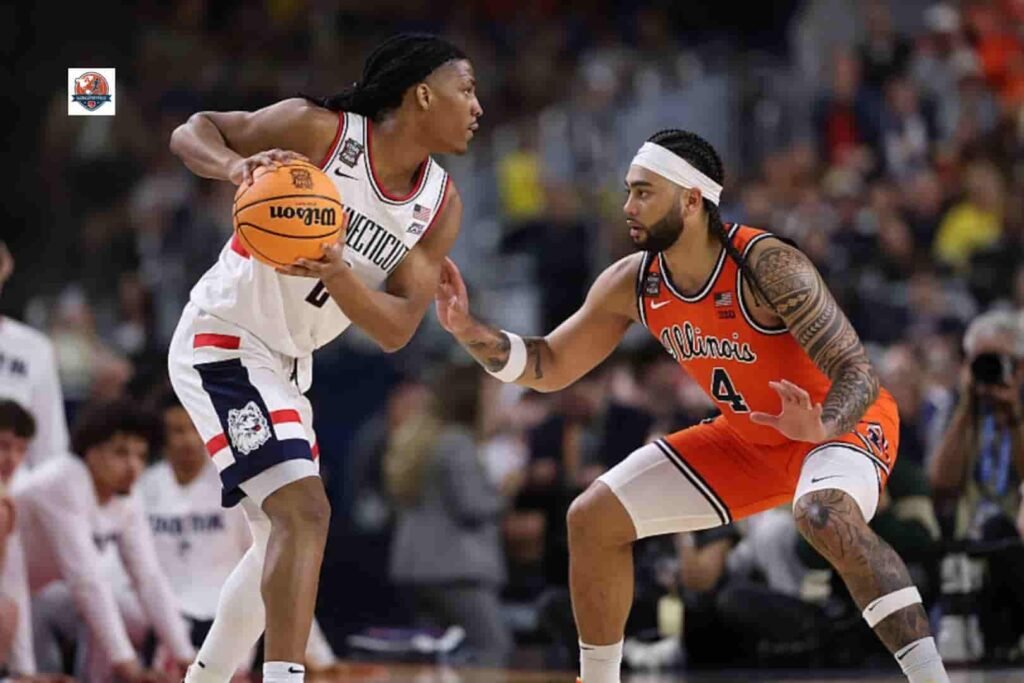
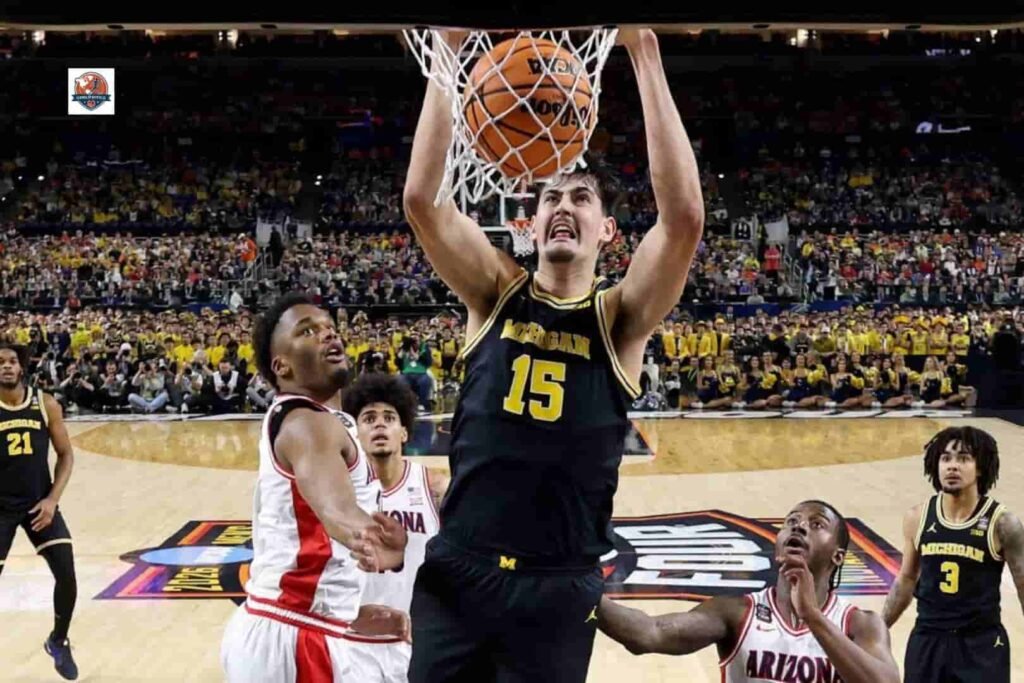
Recent reports highlight UConn’s impressive victory over Illinois, securing their spot in the national championship game. At the same time, Michigan dominated Arizona with a commanding 91-73 win, setting up a highly anticipated final showdown.
These matchups reflect the competitive nature of modern NCAA Men’s Basketball 2026, where only the strongest and most consistent teams survive.
Key Teams Dominating 2026
Several teams have stood out in the 2026 season, showcasing exceptional talent and teamwork. UConn, for instance, has continued its legacy of success, consistently performing at a high level in recent tournaments.
Michigan has also emerged as a dominant force, with a deep roster and impressive offensive capabilities. Their skill in adjusting and performing effectively under pressure has been a major contributor to their success.
Other notable teams include Arizona, Duke, and Purdue, all of which have demonstrated strong performances throughout the season. These teams combine experienced players with emerging stars, creating a perfect balance of skill and potential.
Final Four and Championship Highlights
The Final Four is where legends are made, and the 2026 edition has lived up to expectations. UConn’s victory over Illinois showcased their resilience and clutch performance, while Michigan’s dominant win highlighted their offensive firepower.
The championship game between UConn and Michigan promises to be an epic showdown. With both teams in top form, fans can expect a high-intensity battle filled with drama and excitement.
What makes this stage so special is the stakes. Every possession matters, every shot counts, and every mistake can be costly. It represents the highest challenge of talent, strategy, and mental resilience..
Top Players and Rising Stars
The 2026 season has introduced a new generation of basketball stars. Players like Braylon Mullins and Aday Mara have delivered standout performances, proving their potential to succeed at the highest level.
These athletes bring a combination of athleticism, skill, and determination that makes them exciting to watch. Their performances not only impact their teams but also shape the future of basketball.
NIL Deals and Player Earnings
One of the most significant changes in NCAA basketball is the introduction of Name, Image, and Likeness (NIL) deals. These agreements allow players to earn money while still in college, transforming the landscape of amateur sports.
In 2026, some players are earning millions through NIL deals, with the top athlete reportedly making $4.2 million. This shift has blurred the line between college and professional sports, offering players new opportunities and challenges.
NCAA Basketball Statistics and Trends
Statistics are essential for gaining insight into the game. In 2026, teams like Alabama have led the nation in scoring, averaging over 91 points per game.
On the defensive side, teams like Houston have excelled, allowing just around 62 points per game. These numbers highlight the importance of balance between offense and defense.
Offensive and Defensive Leaders
| Category | Team | Performance |
| Scoring Offense | Alabama | 91.7 PPG |
| Scoring Defense | Houston | 62.9 Opp PPG |
These stats demonstrate how different strategies can lead to success, whether it’s high-scoring offense or lockdown defense…Read more
Record-Breaking Performances
The 2026 season has also seen players approaching historic milestones. Purdue’s Braden Smith, for example, is on the verge of breaking the NCAA assists record.
Such achievements add another layer of excitement, as fans witness history in the making.
Why NCAA Basketball is So Popular
The popularity of NCAA Men’s Basketball 2026 lies in its unpredictability and emotional intensity. Every game feels like a story waiting to unfold, with heroes, villains, and dramatic twists.
Fans connect deeply with college teams, often supporting their alma mater or local schools. This connection creates an atmosphere that’s hard to replicate in professional sports.
The Madness of Upsets
Unexpected victories are the very essence of March Madness. They serve as a reminder that anything can happen, regardless of the odds. These moments capture the essence of sports—hope, determination, and the thrill of the unexpected.
Fan Culture and Global Reach
NCAA basketball has transcended borders, attracting fans from around the world. Social media, streaming platforms, and global broadcasts have expanded its reach, making it a truly international phenomenon.
NCAA vs NBA: Key Differences
While both NCAA and NBA basketball share similarities, they differ in several key aspects. NCAA games emphasize teamwork and fundamentals, while the NBA focuses more on individual talent and star power.
Style of Play
College basketball often features more structured offenses and defensive schemes, reflecting the coaching emphasis on fundamentals.
Player Development Path
For many players, NCAA basketball serves as a stepping stone to the NBA, providing valuable experience and exposure.
Future of NCAA Men’s Basketball
The future of NCAA basketball looks bright, with potential expansions and continued growth in popularity.
Expansion Possibilities
While the tournament remains at 68 teams for now, discussions about expansion continue.
Impact of NIL and Transfers
NIL deals and the transfer portal are reshaping the sport, offering new opportunities while also presenting challenges.
NCAA men’s basketball continues to evolve, blending tradition with innovation. The 2026 season has showcased the best of what the sport has to offer—intense competition, rising stars, and unforgettable moments. Whether you’re a die-hard fan or a casual viewer, there’s no denying the magic of college basketball…Read More
1. What is March Madness?
March Madness is the NCAA’s annual basketball tournament featuring 68 teams competing in a single-elimination format.
2. How are teams selected for the tournament?
Teams qualify through automatic bids or at-large selections by a committee.
3. What is NIL in college basketball?
NIL enables athletes to profit from their name, image, and likeness.
4. How many teams participate in NCAA basketball?
Over 350 teams compete in Division I alone.
5. Why is NCAA basketball so popular?
Its unpredictability, emotional intensity, and dramatic upsets make it unique.