

Updated: May 2026 | Category: Formula 1 News | Read time: ~5 min
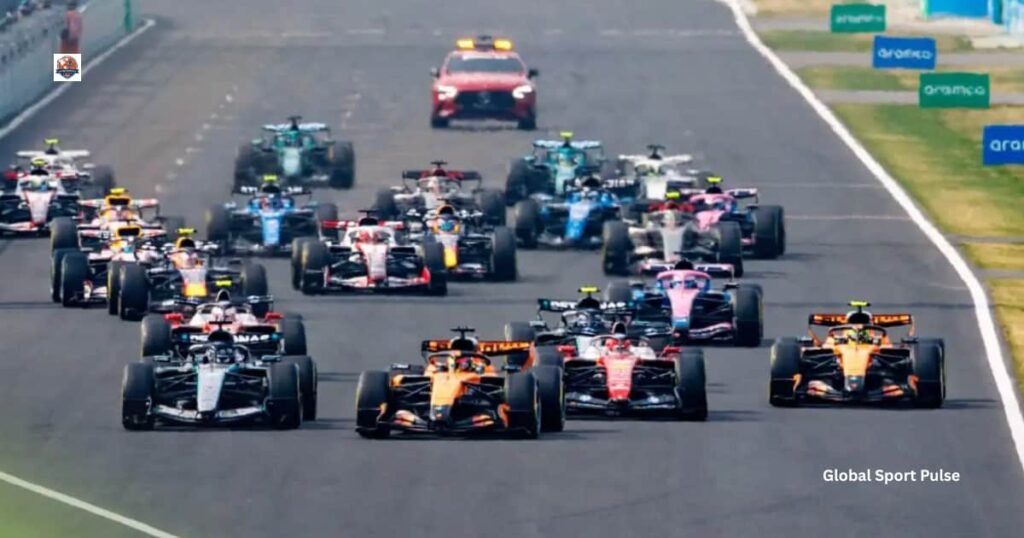
The Miami GP is set to be one of the most pivotal races of the 2026 Formula 1 season — not just for the championship standings, but because it will be the first event to run under a significant new package of regulatory tweaks confirmed by the FIA. After a turbulent start to the 2026 campaign, F1 bosses, team principals, and engine manufacturers gathered to address pressing concerns around driver safety, energy management, and the quality of racing. The result is a comprehensive set of changes that will debut at the Miami Grand Prix on May 1–3, 2026.
NBA Live Match — Watch Now
Stream live NBA games at nba.com/watch — playoffs, scores & highlights
Key Takeaways
The Miami GP will debut the FIA’s new 2026 regulation tweaks on May 1–3.
Energy harvesting in qualifying reduced from 8MJ to 7MJ to allow more flat-out driving.
Peak superclip power raised to 350kW, cutting the time drivers spend recharging.
Race Boost capped at +150kW to reduce dangerous closing speeds during overtakes.
New low-power start detection system introduced to prevent gridded cars becoming hazards.
Wet-weather safety improvements include better rear lighting and reduced ERS torque.
Why the Miami GP Is a Turning Point for F1’s 2026 Rules
The 2026 season arrived with the biggest regulation overhaul in Formula 1 history. New power units introduced a revolutionary 50-50 split between electrical and internal combustion power, fundamentally changing how drivers manage their cars. While the spectacle on track has been praised by many — including seven-time world champion Lewis Hamilton, who called it the most fun he has ever had racing in F1 — there have also been serious concerns about safety and workload.
A significant accident involving Haas driver Oliver Bearman at the Japanese Grand Prix brought the energy management risks into sharp focus. A large speed differential between cars triggered by harvesting patterns contributed to the crash. Combined with vocal criticism from Max Verstappen, who hinted at reconsidering his F1 future, the pressure to act was substantial. The Miami Grand Prix now becomes the venue where F1 tries to fix what’s broken without dismantling what’s working.
Full Breakdown of the Miami GP Rule Changes
Qualifying changes
The most discussed adjustment heading into the Miami GP relates to qualifying energy management. The maximum permitted recharge has been cut from 8MJ to 7MJ, directly targeting the “superclip” phenomenon — periods where drivers must lift and coast to allow the battery to recharge. The target is to reduce superclip duration to just 2–4 seconds per lap, a huge improvement from the disruptive stints seen earlier in 2026. Peak superclip power has also been raised to 350kW (up from 250kW), which means cars can deploy harder and recharge faster, reducing the dead time in laps.
| Parameter | Before Miami GP | After Miami GP |
|---|---|---|
| Max recharge (qualifying) | 8MJ | 7MJ |
| Peak superclip power | 250kW | 350kW |
| Superclip target duration | ~8–12 sec/lap | ~2–4 sec/lap |
| Low-energy limit events | 8 races | 12 races |
Race regulations at Miami GP
For race conditions, the FIA has introduced a cap on Boost power at +150kW (or the car’s current power level at activation, if higher). This measure is designed to prevent the sudden, aggressive closing speeds that made overtaking unpredictable and dangerous in the opening rounds. MGU-K deployment is maintained at 350kW in key acceleration and overtaking zones — preserving the entertainment value — but restricted to 250kW in other parts of the lap to improve safety margins.
| Zone | MGU-K Limit | Purpose |
|---|---|---|
| Corner exit to braking point (incl. overtaking zones) | 350kW | Maintain overtaking opportunities |
| Remainder of lap | 250kW | Reduce excessive closing speeds |
| Boost (race activation) | +150kW cap | Limit performance differentials |
Race start safety system
One of the most innovative additions arriving at the Miami Grand Prix is the new low-power start detection system. If a car is detected accelerating abnormally slowly after clutch release — a potentially deadly hazard for cars immediately behind — an automatic MGU-K deployment is triggered to bring the car up to a safe minimum speed. Crucially, this system is designed so it provides no sporting advantage; it is purely a safety net. Affected cars will also flash rear and lateral warning lights to alert trailing drivers, and the energy counter will now reset at the start of the formation lap, correcting an inconsistency identified earlier in the season.
Wet-weather improvements
The Miami GP rule package also addresses wet-weather conditions, an area where drivers expressed concern during the first three rounds. Intermediate tyre blanket temperatures have been raised to improve initial grip at the critical moment of deployment. ERS deployment in wet conditions is being reduced to limit torque and help drivers maintain control on low-grip surfaces. The rear light systems have been simplified for clearer, more consistent signals — a vital safety upgrade in spray conditions where visibility drops sharply.
“The final proposals presented during today’s meeting were the result of a series of consultations over the past few weeks between the FIA, technical representatives and extensive input from F1 drivers.”— FIA Official Statement, April 2026
What Drivers Are Saying Ahead of Miami GP
Driver reactions to the 2026 season have been mixed but passionate. Lewis Hamilton has been the most effusive supporter of the wheel-to-wheel racing the new formula has generated, while Max Verstappen has made no secret of his frustration with the energy management demands, going so far as to question whether he sees his future in F1 under these regulations. The changes confirmed for the Miami Grand Prix appear designed to address Verstappen’s core complaint — that drivers spend too much time managing systems rather than driving flat out — while preserving the close racing Hamilton has celebrated.
Miami GP Sprint Weekend: Schedule & Format
The Miami Grand Prix is not just notable for the regulation changes — it is also the season’s second Sprint weekend. The compact format means less practice time for engineers to bed in the new parameters, which could produce unpredictable results. The event runs from May 1–3, 2026, live on Sky Sports F1.
| Day | Session |
|---|---|
| Thursday, May 1 | Practice 1, Sprint Qualifying |
| Friday, May 2 | Sprint Race, Qualifying |
| Saturday, May 3 | Miami Grand Prix (Race Day) |
Frequently Asked Questions (FAQ)
What are the biggest rule changes at the 2026 Miami GP?+
Why were these Miami GP changes needed?+
When is the Miami Grand Prix 2026?+
Will the Miami GP changes make racing better?+
How does the new start detection system work at Miami GP?+
Where can I watch the Miami Grand Prix live?+
Conclusion
The Miami GP arrives at a critical crossroads for Formula 1’s bold 2026 experiment. The regulatory package confirmed by the FIA represents a thoughtful, data-led response to real safety concerns and legitimate driver frustrations. By cutting excessive energy harvesting in qualifying, capping race Boost power, introducing smarter start safety, and improving wet-weather protocols, F1 is demonstrating a willingness to evolve its rules in real time — a flex that the sport’s critics have long demanded.
Whether these Miami Grand Prix changes deliver the flat-out, wheel-to-wheel spectacle that fans and drivers crave remains to be seen when the lights go out on May 3. But the direction of travel is clear: the Miami GP is the moment 2026 F1 truly begins in earnest.
