

Insider’s Look As spring practice concludes and attention shifts toward the 2026 college football season, optimism once again takes center stage. Every year, fans and analysts convince themselves that struggling programs have turned a corner, quarterbacks have taken massive leaps, and defenses are ready to dominate.
New head coaches are often viewed as instant problem-solvers, expected to deliver quick turnarounds. However, history shows that reality rarely aligns perfectly with offseason excitement. Once the season begins, the true identity of each team is revealed.
Still, this cycle of hope, hype, and eventual clarity is what makes college football so engaging. Making bold predictions forces us to look beyond narratives and evaluate actual roster changes, coaching strategies, and scheduling challenges.
Insider’s Look: The Season of Hope and Speculation
In 2026, the SEC enters a new phase with a nine-game conference schedule, increasing the level of difficulty across the board. While the Big Ten has recently claimed national supremacy, the SEC remains the deepest conference in the sport — and that depth ensures that no team escapes untested.
With several programs under new leadership, the stage is set for a season full of surprises.
Alabama: Surpassing Expectations Under Pressure
Alabama enters the season with unusually modest expectations, placing head coach Kalen DeBoer under significant pressure. For a program accustomed to competing for championships, even a slight dip in performance raises concerns.
Despite this, there are strong indicators that Alabama could exceed projections. The emergence of quarterback Keelon Russell provides a fresh dimension to the offense. His ability to adapt to the system designed by offensive coordinator Ryan Grubb makes him a strong fit for the team’s evolving identity.
Additionally, Alabama benefits from a relatively manageable early schedule, allowing time for the team to build chemistry. If key road games are handled well, the Crimson Tide could comfortably reach double-digit wins and reassert themselves as contenders.
Arkansas: A Program Seeking Stability and a Statement Win
Arkansas has endured instability in recent seasons, marked by roster turnover and inconsistent leadership. The arrival of Ryan Silverfield brings a sense of structure and discipline that the program desperately needs.
Although the Razorbacks face a difficult schedule, improvements along the offensive line and at receiver suggest they will be more competitive. The defense, while still developing, is no longer a glaring weakness.
The key storyline for Arkansas will be its ability to pull off an upset. Even if overall success is limited, a victory against a top SEC opponent would signal meaningful progress and restore confidence within the program.
Auburn: Rebuilding with Purpose and Direction
Auburn’s struggles throughout the early part of the decade have left the program searching for identity. However, the hiring of Alex Golesh represents a shift toward stability and offensive creativity.
Golesh brings a clear vision, along with quarterback Byrum Brown, who adds energy and leadership to the offense. The combination of experienced players and motivated newcomers creates a balanced roster capable of improvement.
With a more favorable schedule compared to previous years, Auburn has a realistic opportunity to achieve eight wins. Such a result would mark a significant step forward and signal the beginning of a new era.
Florida: A Strong Foundation for Immediate Improvement
Florida’s outlook improves considerably under head coach Jon Sumrall, who has consistently demonstrated the ability to produce results quickly. His track record suggests that even with roster uncertainties, the team can remain competitive.
The quarterback situation may lack star power, but the coaching staff’s ability to develop talent should not be underestimated. By focusing on fundamentals and disciplined play, Florida is well-positioned to secure bowl eligibility.
This season may not bring championship contention, but it lays the groundwork for sustained success.
Georgia: Defensive Excellence Returns
Georgia has remained a national powerhouse, but recent declines in pass-rushing effectiveness have limited its dominance. In 2026, that issue is expected to be addressed.
With several experienced players returning and key additions strengthening the defensive front, the Bulldogs are likely to regain their identity as a physically dominant team. An improved pass rush will not only disrupt opposing offenses but also elevate overall defensive performance.
While they may encounter setbacks, Georgia’s defensive resurgence should enable a deep postseason run.
Kentucky: Emerging as a Dangerous Underdog
Kentucky enters the season with relatively low expectations, but that may work to its advantage. A strong transfer class and new coaching strategies have significantly upgraded the roster.
Quarterback Kenny Minchey is expected to lead an offense capable of producing explosive plays. This newfound offensive strength could allow Kentucky to compete with — and potentially defeat — more established teams.
As a result, the Wildcats may become one of the most unpredictable and dangerous teams in the SEC.
LSU: Building Momentum Throughout the Season
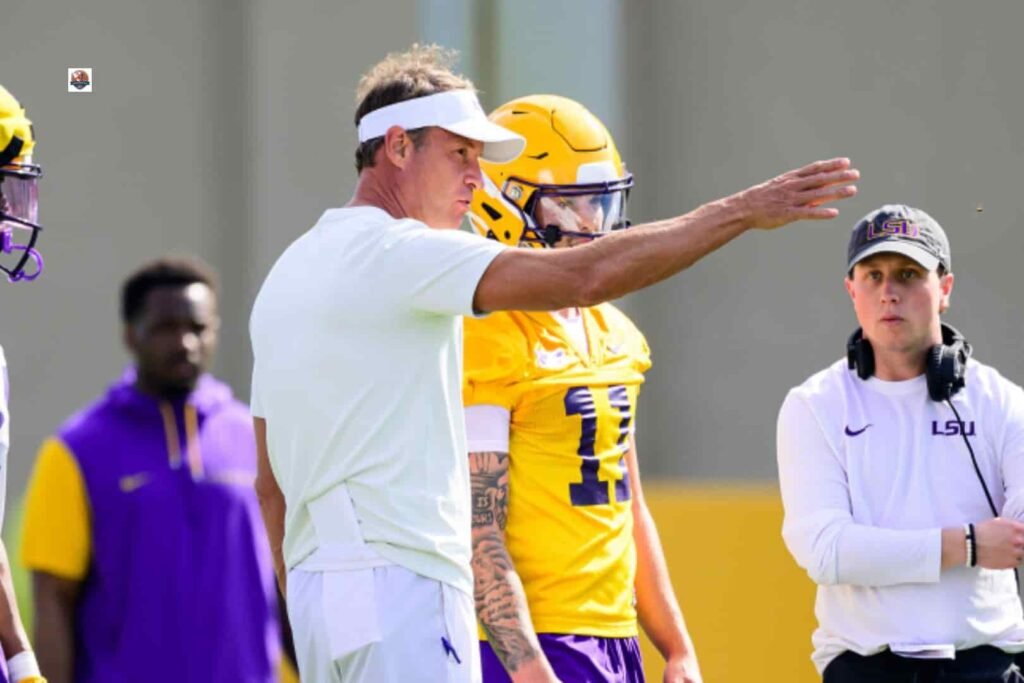
LSU begins a new chapter under Lane Kiffin, bringing both excitement and uncertainty. Integrating new players and implementing a new system often requires time, which may lead to early-season inconsistencies.
However, as the season progresses, LSU is likely to find its rhythm. The presence of experienced players will help stabilize the team, allowing it to perform at a higher level later in the year.
A strong finish could define LSU’s season, even if early results are uneven.
Mississippi State: Potential for a Breakthrough Moment
Mississippi State has the pieces necessary to surprise opponents, particularly on offense. Quarterback Kamario Taylor’s development will be a key factor in the team’s success.
With a talented group of receivers and an aggressive offensive approach, the Bulldogs are capable of challenging stronger opponents. A major upset victory would not only boost morale but also signal the program’s upward trajectory.
Missouri: Ready to Take the Next Step
Missouri has quietly established itself as a consistent performer in the SEC. In 2026, the program appears ready to elevate its status further.
A balanced offensive attack, combined with improved quarterback play, gives the Tigers a strong foundation. While defensive concerns remain, a solid transfer class helps address those gaps.
If key games go their way, Missouri could secure a spot in the College Football Playoff and achieve a historic milestone.
Ole Miss: A Season of Contrasts
Ole Miss is expected to start the season strong, fueled by returning talent and early momentum. However, the schedule presents significant challenges in the middle portion of the season.
Facing multiple tough opponents in succession could lead to a decline in performance. Maintaining consistency will be critical, but the demanding schedule may ultimately result in a mixed season…Read more
Oklahoma: A Star Quarterback Leads the Way
Oklahoma’s success will largely depend on quarterback John Mateer, who has the potential to emerge as one of the nation’s top players. His performance in high-profile games will shape both his individual recognition and the team’s trajectory.
If he remains healthy and continues to refine his skills, Mateer could enter the Heisman Trophy conversation and lead Oklahoma into playoff contention.
South Carolina: Offensive Improvement Sparks Hope
South Carolina aims to revitalize its offense under new leadership. Quarterback LaNorris Sellers is expected to benefit from a system designed to maximize his strengths.
Improved efficiency and production on offense could transform the team’s overall performance. If Sellers regains his earlier form, South Carolina could exceed expectations.
Tennessee: Facing a Transitional Year
Tennessee enters the season with several uncertainties, particularly at the quarterback position. Combined with defensive inconsistencies and adjustments to a new system, these challenges may hinder performance.
As a result, the team could experience a step back, with a record closer to .500 reflecting a period of transition rather than decline.
Texas: Built for a Championship Run
Texas stands out as one of the most complete teams in the country. Strategic roster additions and strong returning talent have positioned the program as a leading championship contender…Read more
Quarterback Arch Manning’s continued development will be crucial, as his performance directly impacts the team’s offensive success. With a well-rounded roster and experienced coaching staff, Texas has all the elements needed to compete for — and potentially win — a national title.
Texas A&M: Regression After a Strong Season
Following a successful 2025 campaign, Texas A&M faces the challenge of maintaining that level of performance. A demanding schedule and past inconsistencies suggest a potential step back.
While the team remains competitive, finishing with eight or nine wins appears more realistic than repeating previous success.
Vanderbilt: Growth Through Development
Vanderbilt may not replicate the excitement of its previous season, but the program continues to make steady progress. Increased roster depth and the development of young talent provide reasons for optimism.
Quarterback Jared Curtis represents the future, and his growth throughout the season will be critical. As the team improves over time, a late push for bowl eligibility becomes a realistic goal.
Conclusion: A Season Defined by Uncertainty and Opportunity
The 2026 SEC season promises to be one of unpredictability and intense competition. With new coaches, evolving rosters, and a more demanding schedule, every team faces unique challenges.
While some programs are poised to exceed expectations, others may struggle to meet them. Ultimately, the depth and competitiveness of the SEC ensure that no outcome is guaranteed — making every game, and every prediction, worth watching.
